



















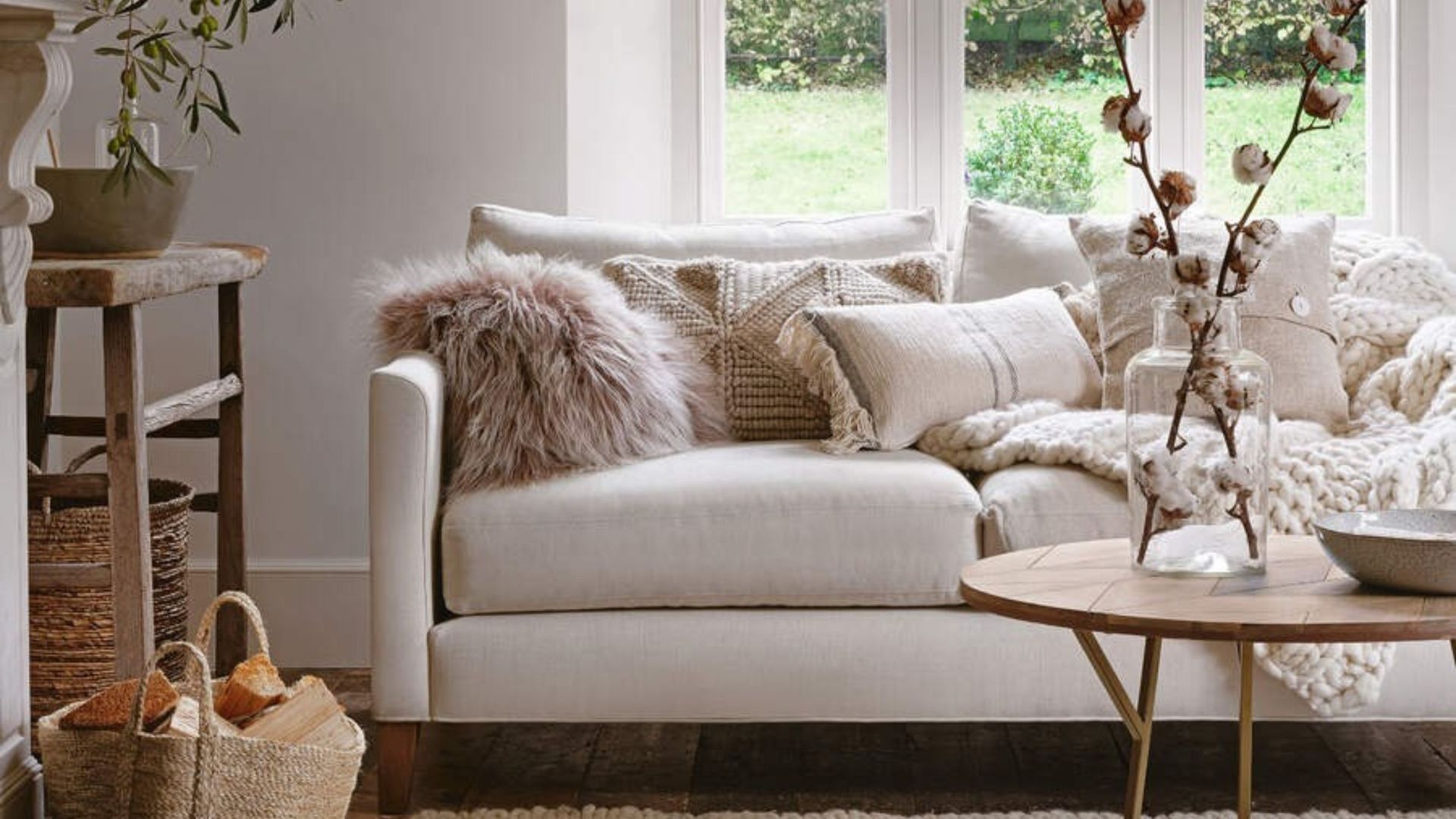
Love it or hate it, there’s no denying that the winter months provide a great excuse to hunker down in the comfort of your own home. And the season’s hottest decor trend – cosy-maxxing – is making it easier than ever to do just that.
Cosy-maxxing does exactly what it says on the tin; it's all about cosy bedroom ideas and cosy living room ideas. It provides a blueprint to make your home feel as warm, inviting and snug as possible during the colder months. But is it possible to take cosy-maxxing too far?
Interior experts say it is, and they’ve shared the biggest signs to look out for this winter. Here’s all you need to know.
Signs you’ve taken cosy-maxxing too far
‘Cosy-maxxing is essentially the art of creating spaces you genuinely want to spend time in, whether that's through layered lighting, soft furnishings, rich textures or personal touches,’ explains Victoria Robinson, trend expert at Hillarys. ‘But like any design trend, there can be a tipping point.’
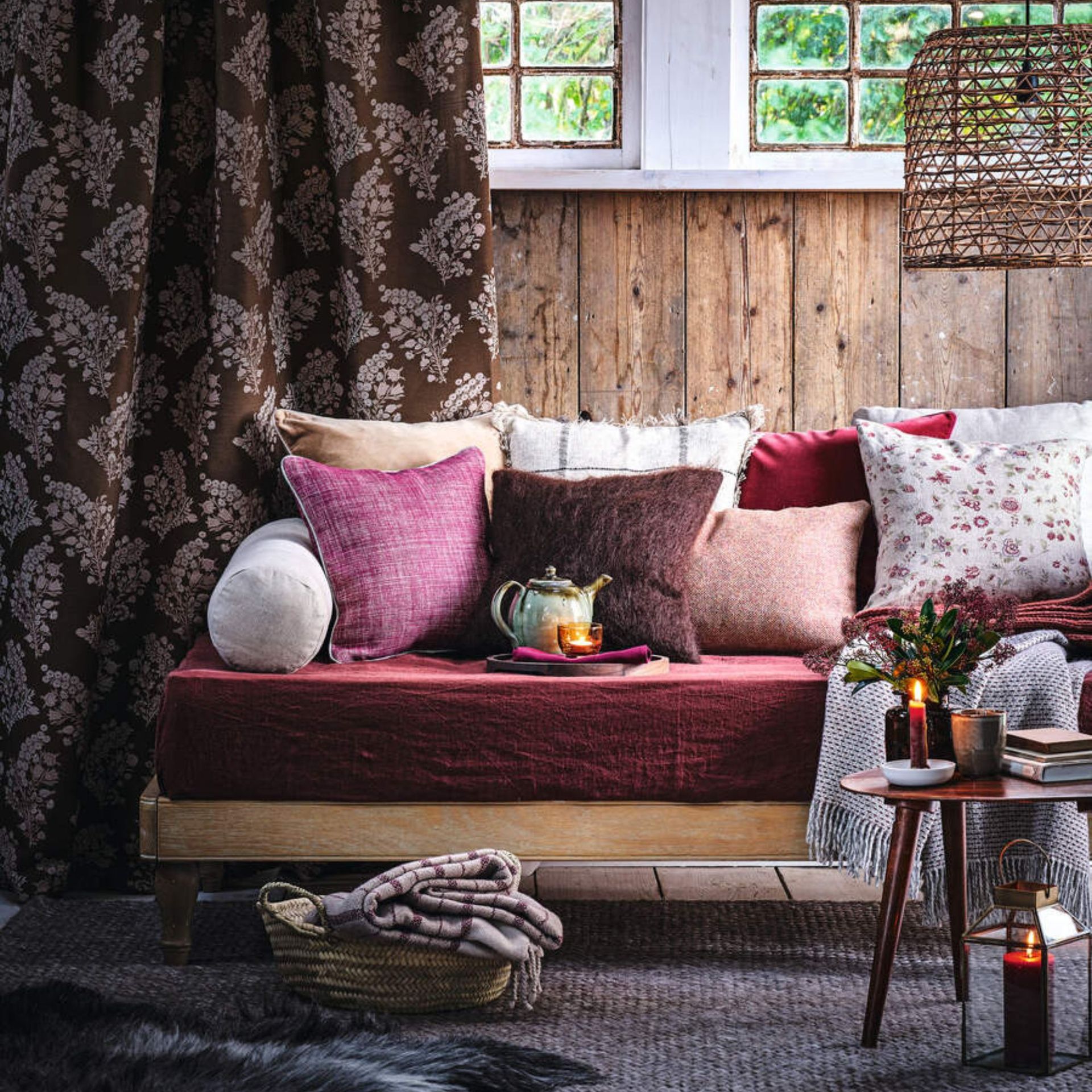
In many cases, the secrets to a cosy home might seem relatively easy to achieve. But it’s true that you can actually go too far the other way and end up creating a home that feels more stressful than relaxing.
‘Cosymaxxing is no bad thing, but balancing cosiness and functionality is key if you don't want it to have the opposite effect on your health and wellbeing,’ says Matthew Currington, lighting expert at The Lighting Superstore. These are the key signs to look out for.
1. You sacrifice practical lighting
When someone says cosy, what’s the first thing that comes to mind? Moody lighting and lots of candles? After all, cosy light ideas almost always revolve around lamps. But overlooking the importance of functional lighting is a sure sign that you’ve taken cosy-maxxing too far.
‘Poor lighting balance is a big warning sign,’ says Andrew White, Home and Garden Expert at Harbour Lifestyle. ‘Warm lighting is ideal for creating atmosphere, but using bulbs that are too low in brightness or too warm in colour temperature can make a room feel flat and gloomy.’
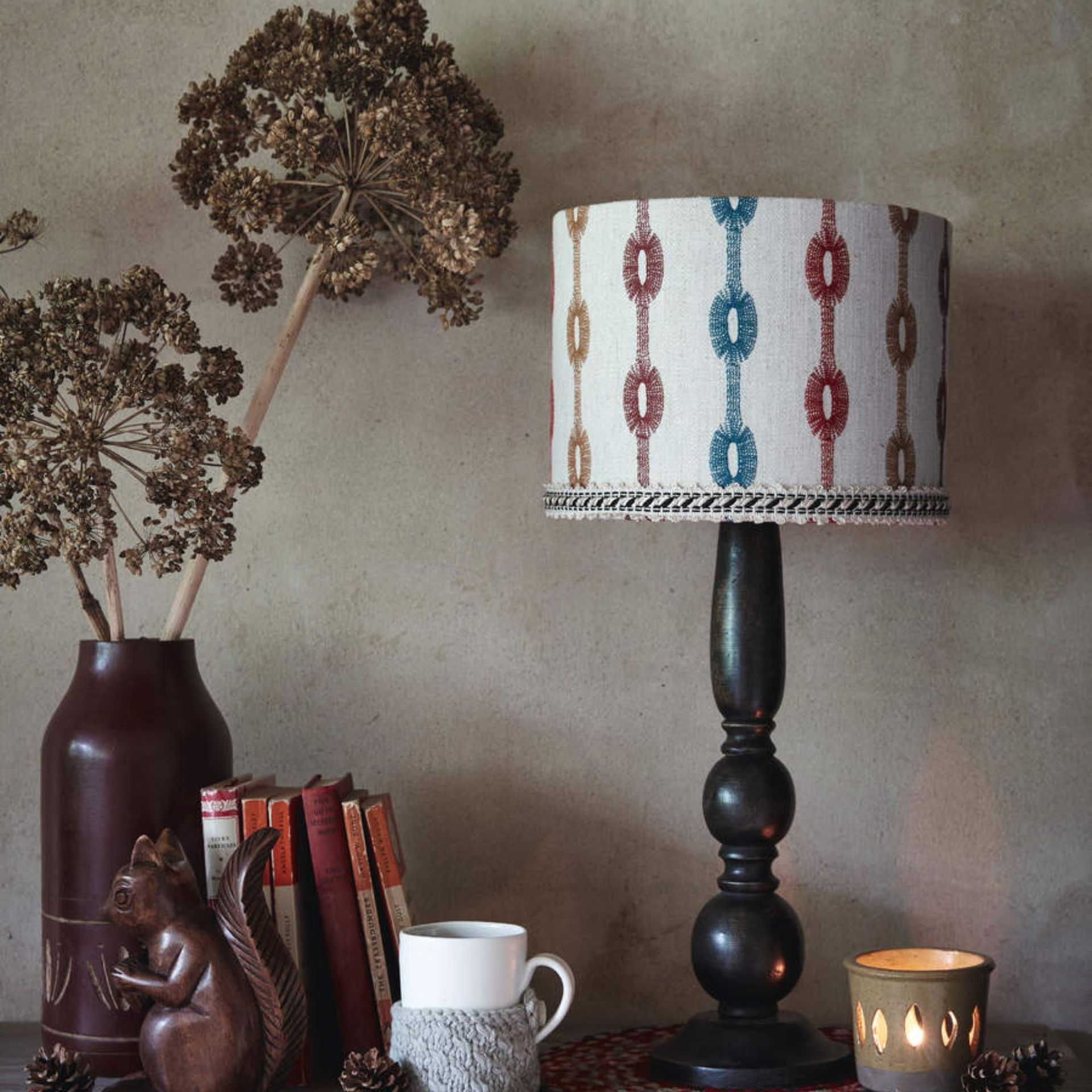
Lighting that is too dim can also contribute to reduced visibility, which can quickly turn a relaxed environment into a stressful situation. ‘Keeping your space cosy but functional is key,’ explains Matt. ‘This doesn’t mean you need to have the ‘big light’ on. Rather, ensure that your space has clever installations of functional light that can be ambient too.’ Task lighting strips, like these from Dunelm, can be particularly useful for illuminating work spaces.
And don’t forget to let natural light in, too. 'Choosing dark colour schemes, layering window treatments with shutters and curtains, and adding warmth to a room is a great way to create comfort, but in the wrong space, it can be disastrous for natural light,' says Lisa O’Hanlon, interior expert at The Shutter Store. 'Choose brighter colour palettes that still have warm undertones, such as creamy neutrals or soft greens. Pair these with natural wood furniture to maintain that feeling of cosiness, without making the room feel enclosed.'
2. Your home starts to feel cluttered
'When you start decorating with a specific aesthetic in mind, it’s easy to take it too far and become blind to the space around you,' explains Lisa. 'People tell themselves they’ll just add one more piece of décor, and before you know it, there’s no more space on the shelves. That’s one of the first clear signs you’ve taken cosy-maxxing too far.'
'Cosy-maxxing relies on an abundance of fairy lights, candles, trinkets and layers of soft furnishings and blankets. And, in an effort to cosy-max, you might inadvertently make your space feel cluttered and untidy which can have the opposite effect on mood,’ agrees Matthew.
Not only will all of these cosy additions to your home require additional cleaning and dusting, but they can also get in the way when we actually try to unwind in the evening.
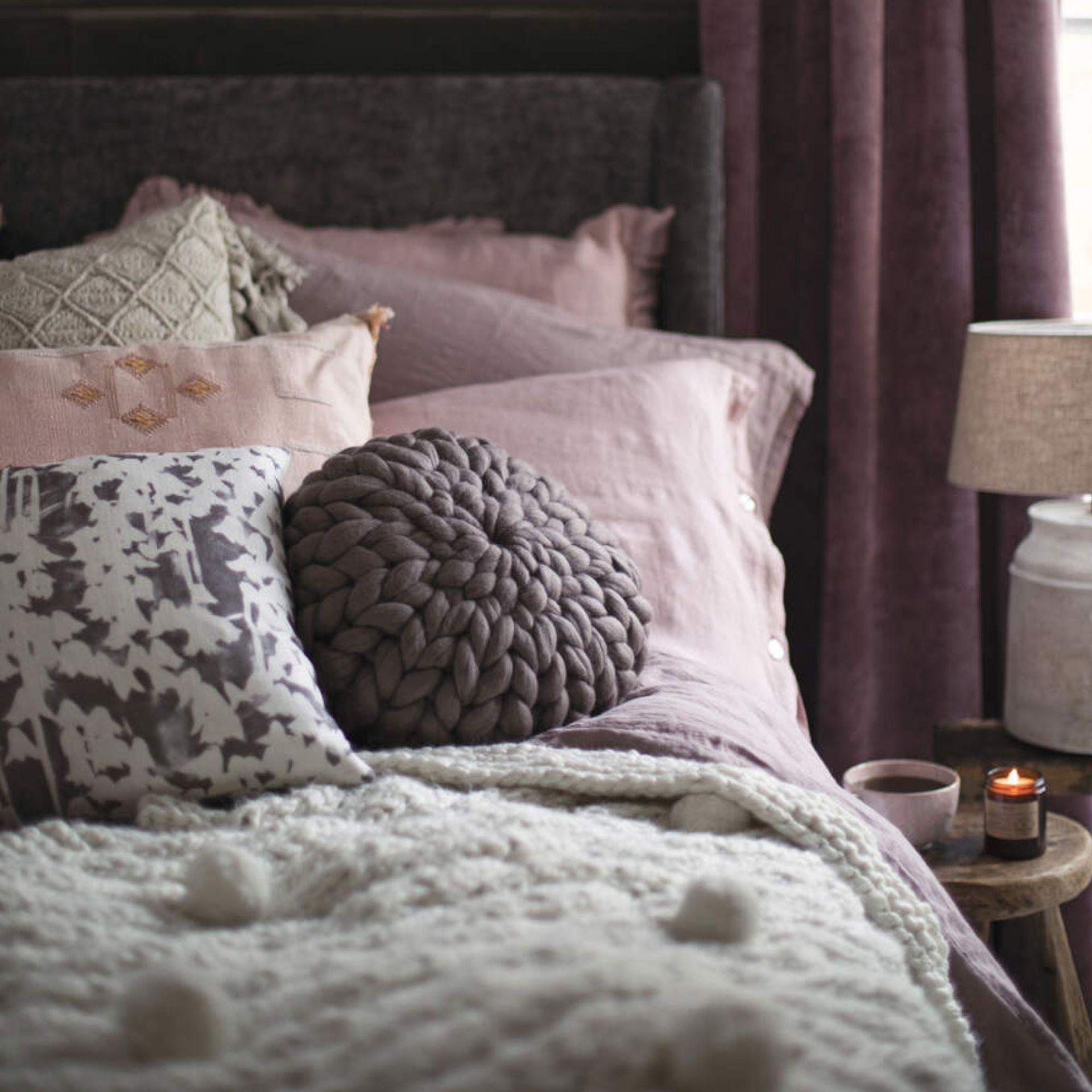
‘If you find yourself manoeuvring around cushions and throws, losing functional items amongst décor, and having to move hundreds of items to clean surfaces, your space is no longer working for everyday use,' says Lisa.
Instead of adding an excessive amount of cosy decor, be intentional about your design choices. After all, a few comfy scatter cushions, one plush blanket and your favourite candle will most likely have the same effect as multiple layered times.
3. Your room doesn't flow
‘Pay attention to how easily you can move through your space,’ suggests Andrew. ‘Oversized sofas and bulky armchairs can create a cocooning feel, but if furniture restricts natural walkways or you have to constantly move things to use the room, it's a sign that the layout needs reconsidering.’
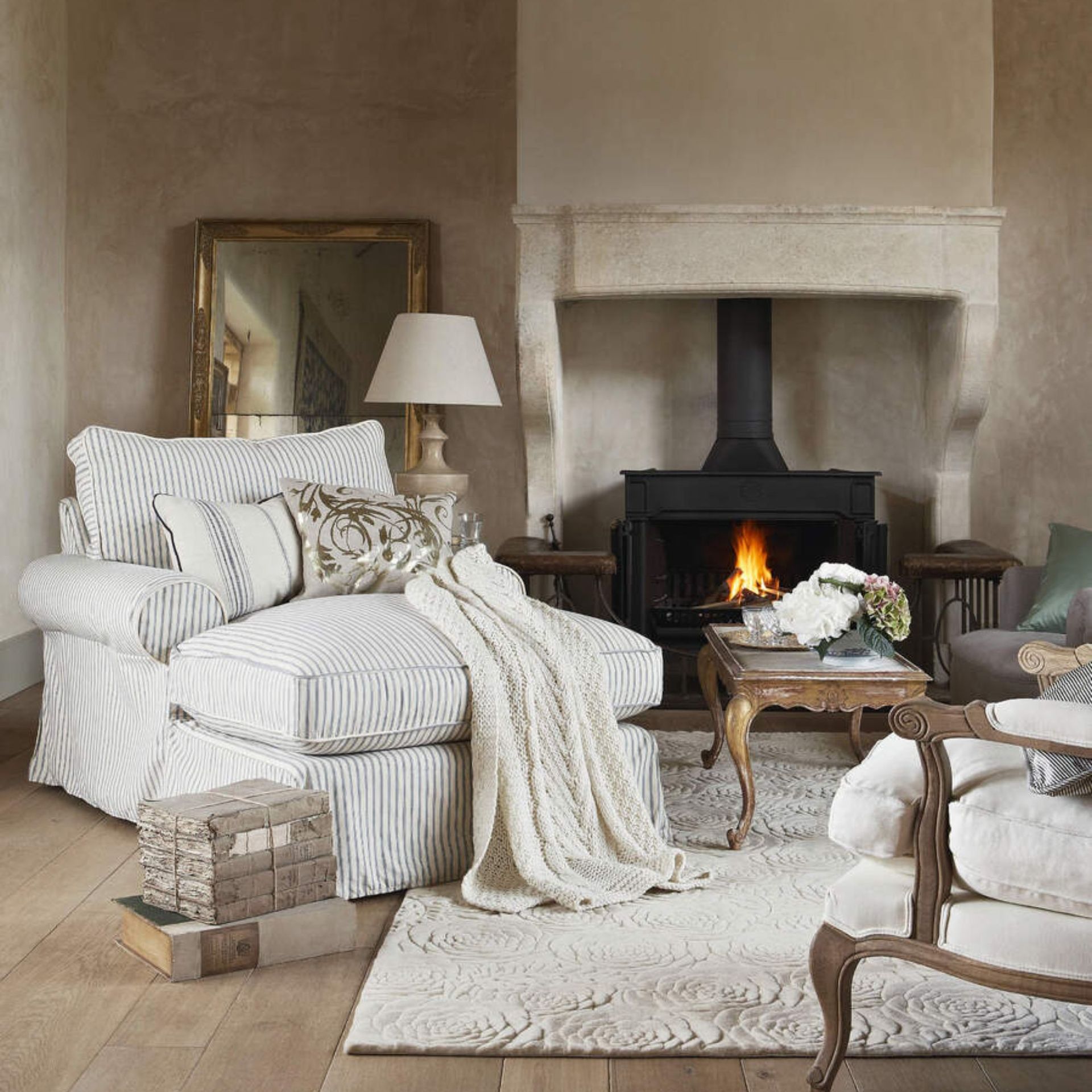
‘A room needs breathing space around its larger pieces to feel balanced. Taking a photograph of the room can help to achieve this, as it allows you to see the overall balance and proportions more objectively,’ he adds.
Then, rearrange your existing furniture and reconsider your placements instead of buying new. A cosy space is all about comfort, so it’s worth keeping the pieces you really love, and simply moving them to suit your functional lifestyle.
4. You start to feel unproductive
‘Cosymaxxing can very quickly render you feeling stagnant and frustrated if it isn’t kept in check,’ warns Matthew. ‘Human interaction can be harder in the winter months, and a home that is primed for staying in and being cosy can make it difficult to find the motivation to go out and see friends. Before you know it, this can quickly become an everyday occurrence.’
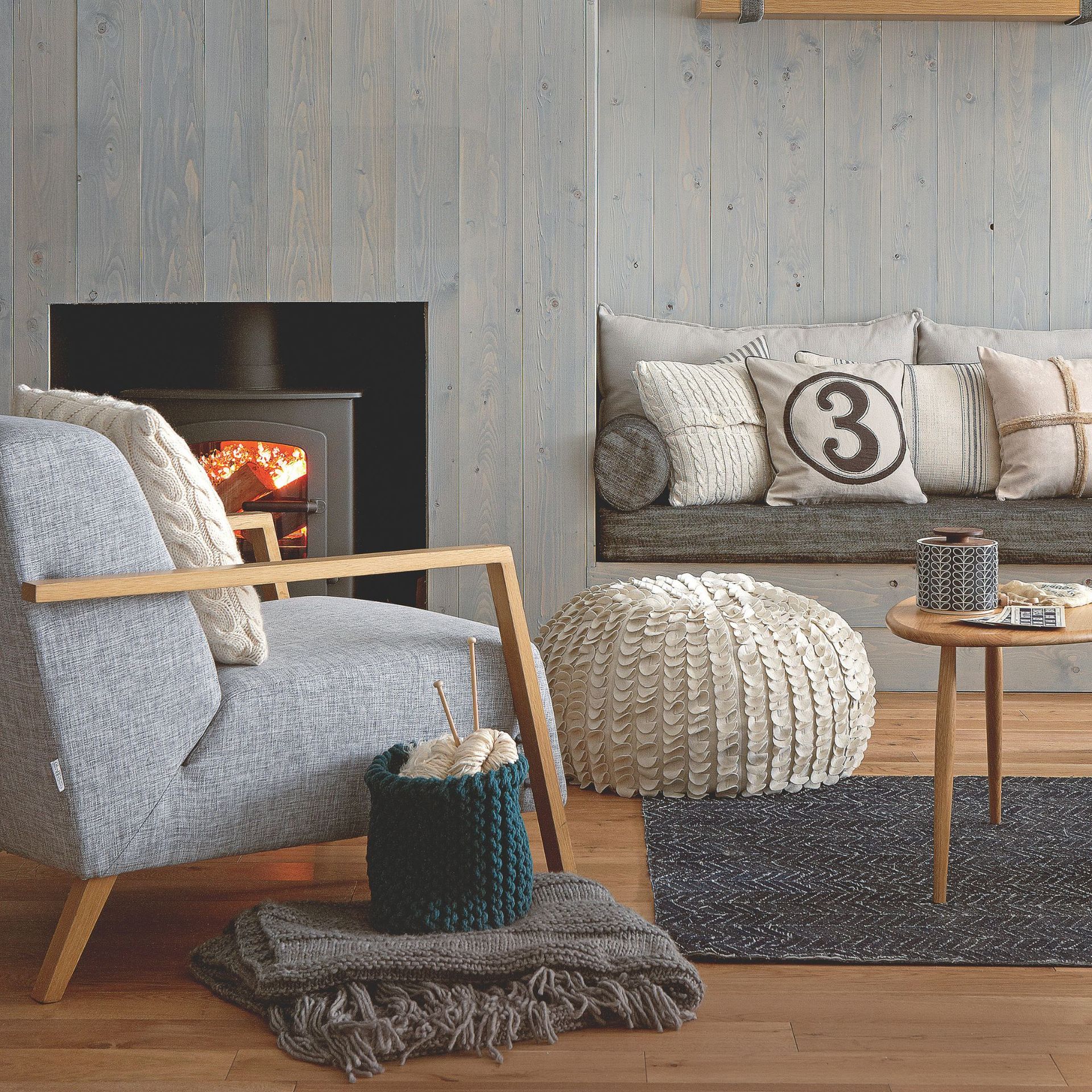
‘You may also start to feel sluggish and unmotivated to exercise and eat healthily. If this is happening, it’s a sign to have a good clear out, dust and declutter your space and maximise natural light again by opening blinds and curtains,’ he adds. ‘Don’t forget to regularly burp your home too by opening windows throughout and allowing it to breathe in new air.’
All in all, creating a functional yet balanced space is the key to nailing cosy-maxxing. ‘The homes that feel most inviting aren't necessarily the ones packed with the most cushions or accessories; they're the ones that work effortlessly for the people living in them,’ says Victoria. ‘You want a space that feels warm, personal and cocooning, while still allowing plenty of natural light, clear surfaces and room to move around comfortably.’
Once you’ve established this foundation, add in a few cosy accessories that truly bring you joy and comfort.
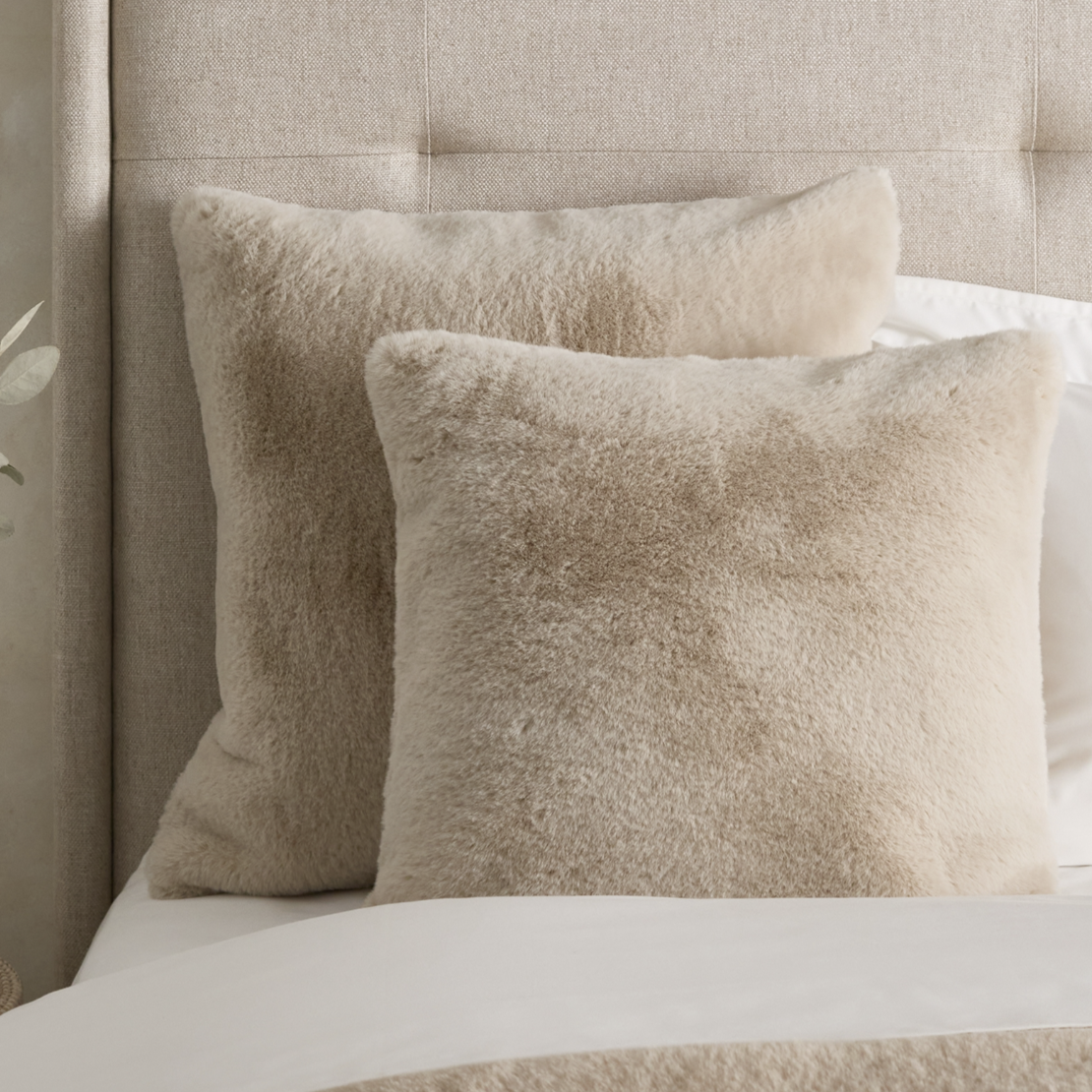
The White Company
Super Soft Faux Fur Cushion
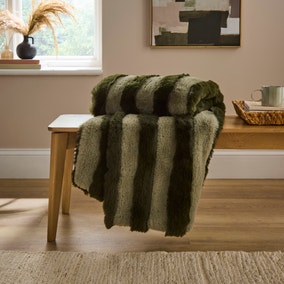
Dunelm
Two-Tone Striped Faux Fur Throw 130cm X 180cm
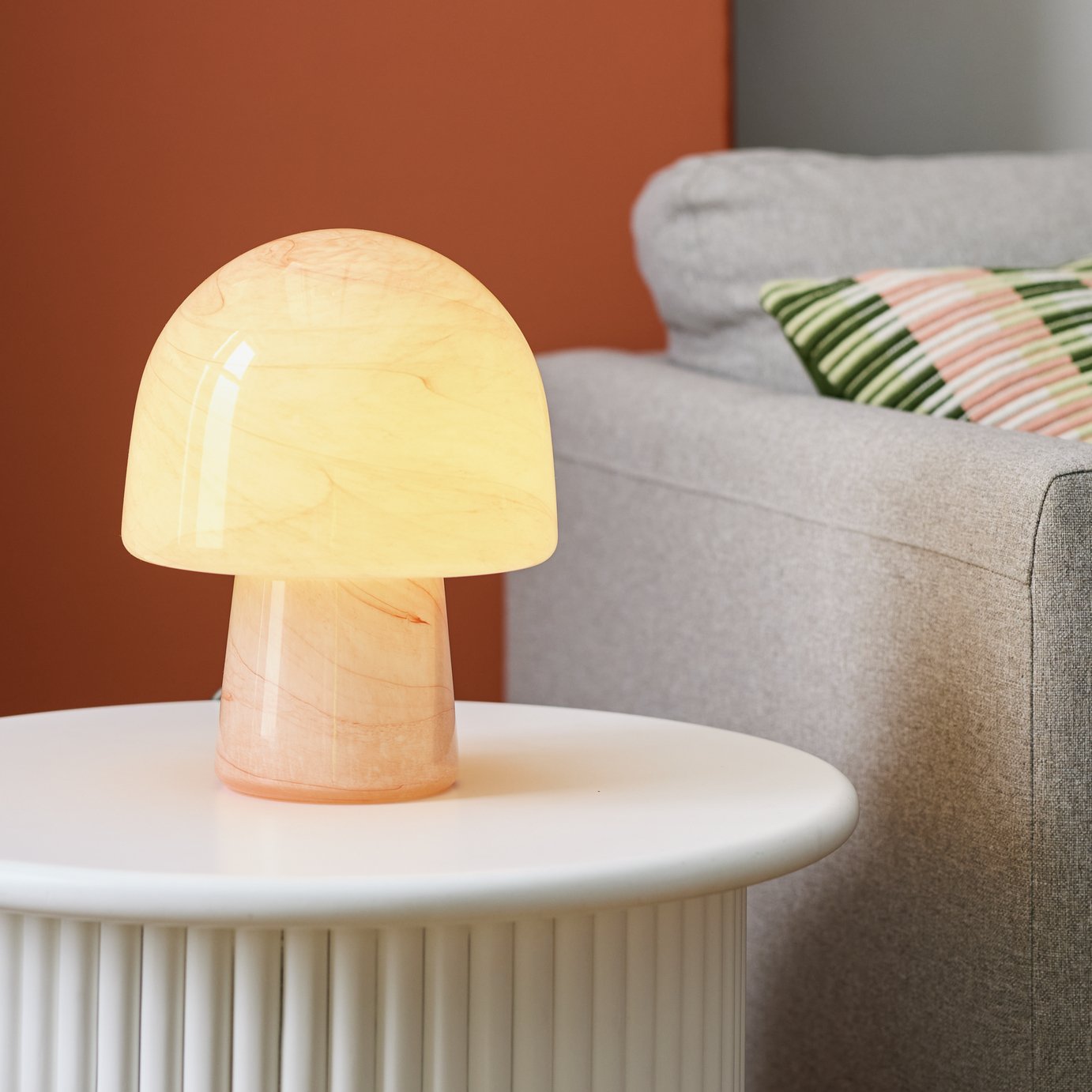
Habitat
Alabaster Glass Mushroom Table Lamp - Peach